
Stroke Symptoms are just some of the things that people may experience when they have a stroke. Stroke Symptoms include but are not limited to, drooping eyelids, a feeling of fatigue or tiredness, problems with speech, unable to swallow, problems with swallowing, difficulty talking, and so forth. Stroke Symptoms are different for everyone and are dependent upon many things including, but not limited to, the severity of the stroke, the victim’s age, whether or not they had any prior strokes, their medical history, etc. Stroke Symptoms are also determined by the type of stroke that is had, which is; The four most common types of strokes are;
Acute Stroke Symptoms include; none, since it is usually so mild. However, the patient may experience a severe headache. Also, they may experience nausea, sweating, confusion, and so on. The person may not even be able to recognize or move their right arm or hold them in the right hand. Other symptoms would be: none, since it is usually so mild.
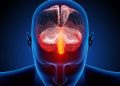
The symptoms of a stroke depend on which part of the brain has been affected. A major stroke will often have more than one sign. For example, if someone has a frontal lobe stroke, they will most likely experience more than just the headache and loss of understanding speech. They will experience loss of memory as well as any other deficits that are associated with a stroke such as: dyslexia, regression, seizures, impulsivity, etc. A sensorineural stroke, on the other hand, will only have a few signs, such as loss of vision or partial paralysis of one side of the body.
There are many different kinds of symptoms that occur in stroke patients. However, there are some common ones that are experienced by 80% of stroke patients. Some of the symptoms are: slurred speech, decreased comprehension, decreased balance, decreased coordination, and difficulty breathing. Many people will have difficulty with one or more of these things.
Slurred speech can range from being barely audible to sounding completely unreadable. This can happen in one arm or both arms. If someone has slurred speech, it means that they are having problems with language. However, if it only happens in one arm, then they might only be temporarily disoriented or confused.
Loss of Consciousness Another of the common stroke signs is a loss of consciousness. This can mean that they are partially conscious or fully conscious at the time. It can also mean that they can lose consciousness right away or can lapse into unconsciousness very quickly.
Numbness on One Side of the Body Another sign is numbness on one side of the body. This could be in one arm or both arms. Stroke sufferers can have severe headaches on one side of their head. If this numbness progresses or gets worse, then it’s a good idea to get to the hospital.
Loss of Blood Flow A decreased blood flow to the brain is one of the most serious effects that can occur in a stroke. The main issue is that blood flow is needed for oxygenation in the brain. When a person has ischemic stroke, they may have low blood flow to the brain, which means there is a chance of stroke. Another problem is that because the brain is deprived of oxygen, it may begin trying to repair itself, but at an extremely slower rate. This could result in short-term memory loss or it could cause the brain cells to die.
Alcohol, Smoking and Medications Smoking and alcohol consumption both increase the risk of stroke. This is because alcohol reduces the amount of oxygen the body receives. If you smoke, you also increase the risk of long-term complications. Both smoking and alcohol increase the risk factors for coronary artery disease.
Stroke Risk Factors There are many risk factors for ischemic stroke. They are high blood pressure, hypertension, diabetes, smoking, and a family history. Stroke occurs more frequently in men than in women and mostly later in life. Men are more likely than women to develop ischemic stroke.
Stroke symptoms may include any of the above signs or others that have been mentioned. If you believe that you or a loved one has had a stroke, it’s important to contact your doctor as soon as possible to get the treatment you need. Early treatment greatly improves the chances of full recovery.
Oren Zarif – Psychokinesis Treatment